

WHA Team
- Home
- WHA Team
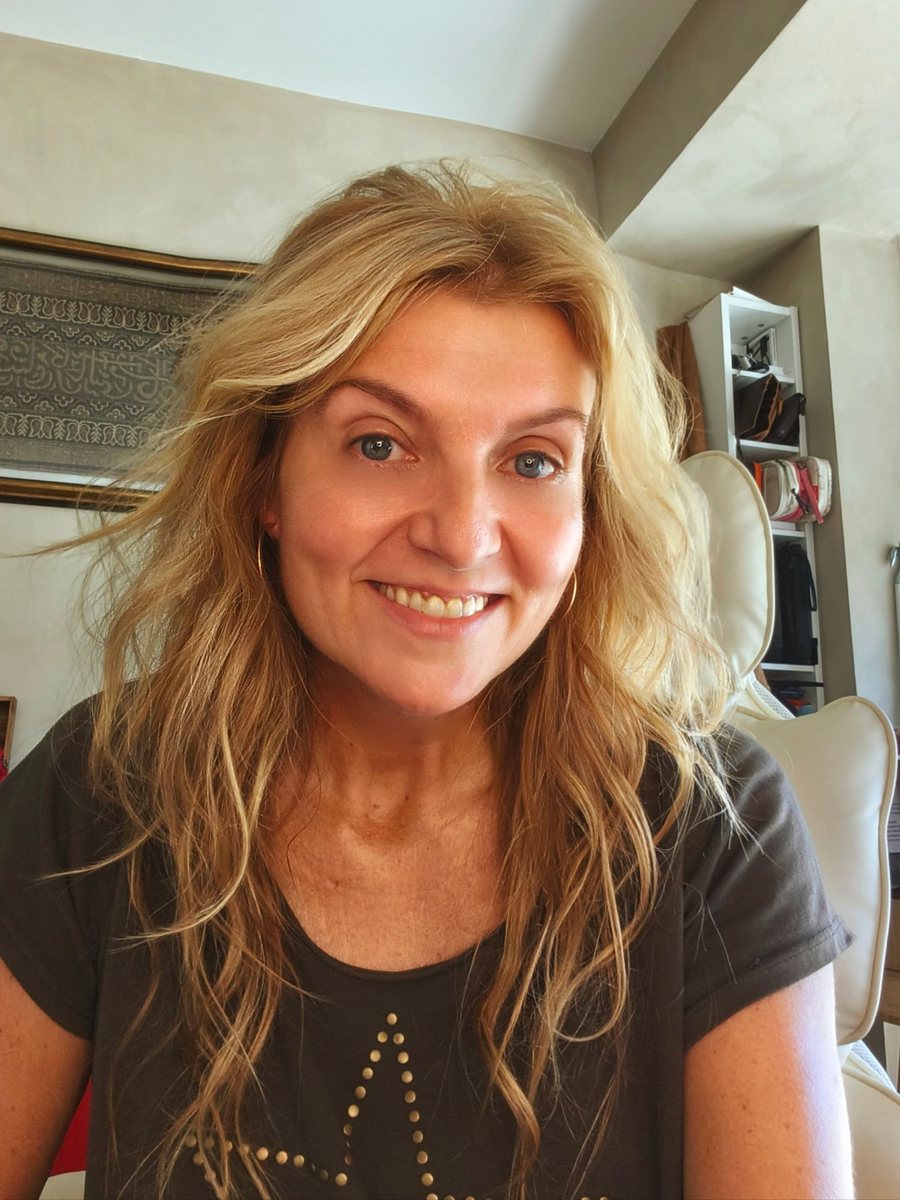
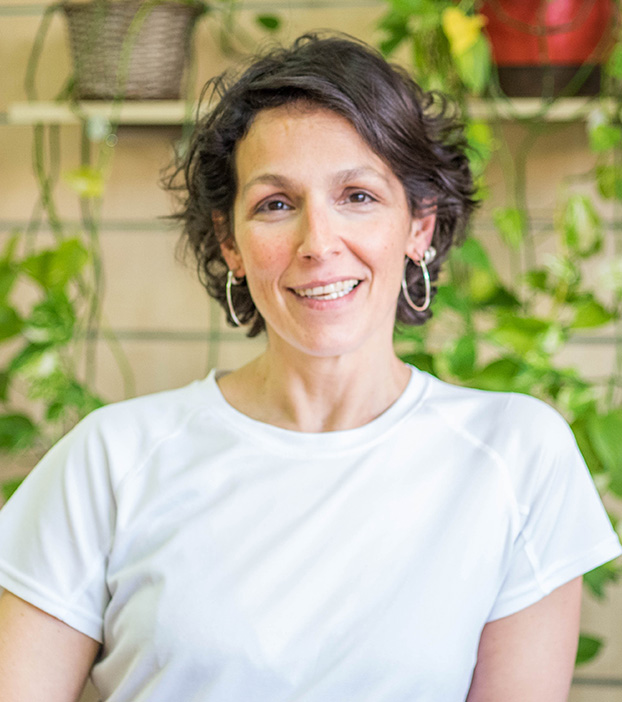
Director of Operations and Projects at WHA Consultancy, urban planner, landscape architect, historian and UNESCO expert, she is part of its global roster of experts. She is also a member of the PROCULTHER-NET expert network, a project co-funded by the European Commission’s Directorate-General for Civil Protection, which aims to build a specialised community for the protection of cultural heritage in emergencies through multidisciplinary exchange and the development of standard operating procedures integrated into civil protection systems. She represents ICOMOS Spain in the National Plan for Risk and Emergency Management in Cultural Heritage (PNGREPC).
Her career, built over more than fifteen years in Asia and Africa, has unfolded in cultural and natural landscapes where technical, social and environmental complexity calls for sensitivity, precision and strategic vision.
She led the management of historic buildings and archaeological areas of the Marmaray project (Istanbul), a 77 km railway corridor where heritage coexisted with large-scale infrastructure in a vibrant and dynamic urban setting, combining intervention management, inter-institutional coordination, territorial reading and operational capacity.
A specialist in disaster risk management applied to heritage, she has developed projects focused on conservation, resilience and heritage enhancement, integrating urban planning, sustainability and international cooperation. Her experience covers heritage protection, management and dissemination, as well as emergency assessments, including the Post-Disaster Needs Assessment (PDNA) and Disaster Risk Management, where technical analysis meets humanitarian urgency.
Her approach combines strategic vision and concrete action, linking cultural and natural preservation policies with territorial planning tools. She understands heritage sites as living fabrics where memory, territory and community converge, and designs strategies in line with the principles of sustainability and responsible heritage management.
Her international work includes her roles as Scientific Council Officer of the ICOMOS Advisory Committee, expert member of ICOMOS-ICORP, of the Indigenous Heritage Working Group (IHWG) and of the Emergencies and Cooperation Commission of ICOMOS Spain. Her career reflects a sustained commitment to protecting cultural and natural heritage in the Global South and North, wherever human heritage enters into dialogue with the future.
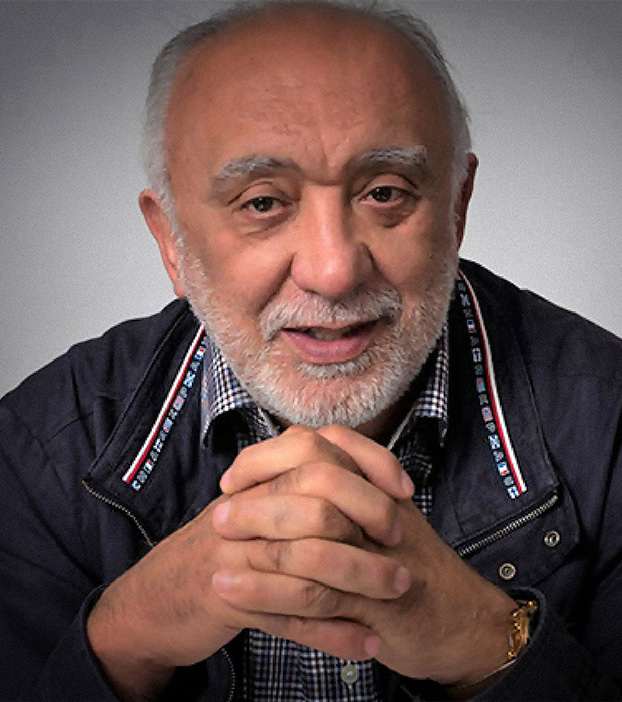
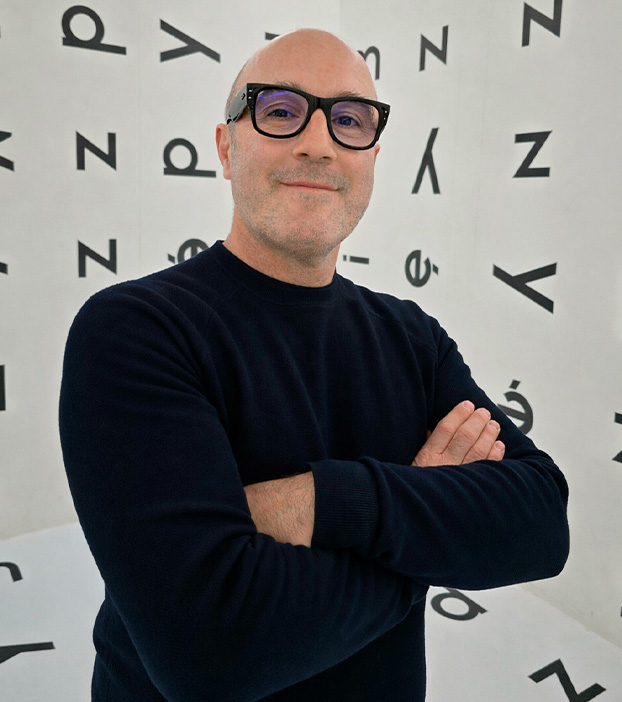
An archaeologist by training, he works in research, preventive archaeology and cultural heritage management. He is a cultural heritage management consultant, director of the Ars Civilis Foundation and one of the pillars of WHA Consultancy, bringing solid technical and regulatory expertise in the protection of cultural heritage.
He served as Head of the Historical Heritage Service of the Region of Murcia, a strictly technical post in which he was responsible for ensuring compliance with heritage legislation. His work focused on supervising archaeological excavations, assessing urban development projects and effectively protecting cultural assets, holding a rigorous position against interventions that threatened their integrity.
His career covers extensive experience in prehistoric, medieval and modern archaeology, with particular dedication to the study of ancient settlement in the Segura river basin and north-western Murcia, as well as to the protection and enhancement of the Rock Art of the Mediterranean Basin, inscribed on the UNESCO World Heritage List. He has also supervised excavations and restoration projects in castles and fortifications that are key to understanding the history of the territory.
As a member of ICOMOS Spain, he takes an active part in national and international committees related to World Heritage and risk management. He is a recognised specialist in emergencies and risks applied to cultural heritage, with first-hand experience in contexts such as the Lorca and Mexico earthquakes and the Valencia DANA floods. He has drawn up management and safeguarding plans and has worked on several national plans, including the National Heritage Education Plan of the Ministry of Culture and the Regional Plan for Cultural Heritage Education of the Region of Murcia.
He has also contributed to inscription processes on the World Heritage List, such as the Rock Art of the Mediterranean Basin, the Tamboradas drum-playing rituals and the Wine Horses, and more recently to the inclusion of the Pulpí Geode (Almería) on the Tentative List. His career reflects a firm commitment to defending cultural heritage as a common good and a living legacy.
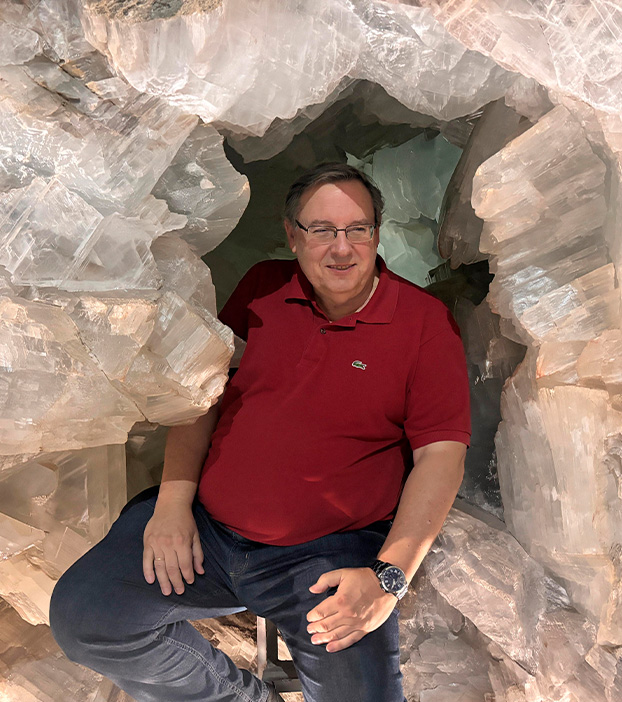
Architect, with a master’s degree in architecture and historical heritage, a PhD in architecture and an academic. He has extensive experience in cultural heritage management, built mainly through a career in cultural administration. He is an expert in the protection of cultural heritage and in UNESCO nominations for World Heritage (cultural and natural) and the Intangible Cultural Heritage of Humanity.
He took part in the successful World Heritage nominations of Levantine Rock Art, the Renaissance monumental cities of Úbeda and Baeza, the Antequera Dolmens and the Caliphate City of Medina Azahara, and in the Intangible Cultural Heritage nomination of Flamenco. He also contributed to drafting Law 14/2007 on the Historical Heritage of Andalusia, currently in force, and the Andalusian Cultural Heritage Law now being processed.
A regular lecturer in seminars, courses and master’s programmes on cultural heritage management, he has published several articles on the protection of historical heritage in Andalusia in journals and books. His doctoral thesis on the conservation of the historic city was published by Almuzara.
He brings broad experience in the management and protection of archaeological heritage, rock art, ethnological heritage, interventions in architectural heritage, urban planning, landscape and the historic city. He believes cultural heritage must be approached from a multidisciplinary perspective, an approach he has always applied both in public administration and in his teaching.
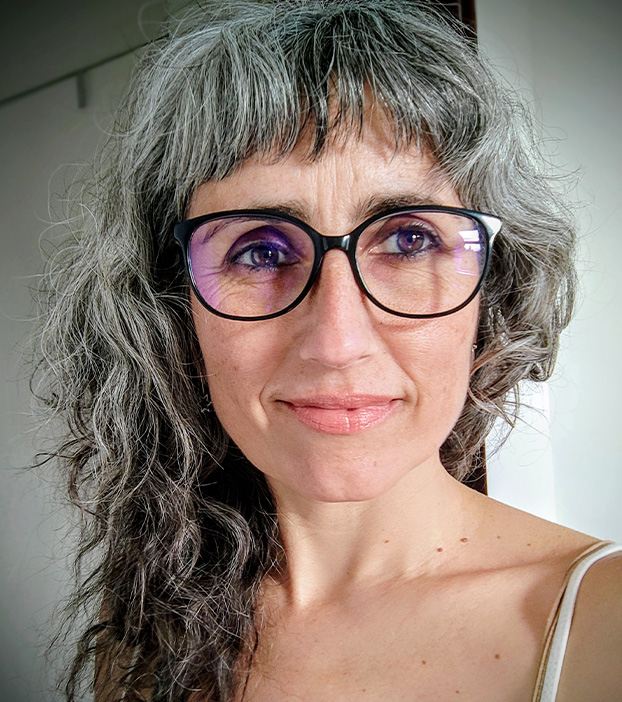
Professor of Art History at the University of Murcia and full member of ICOMOS, she advises on UNESCO-related initiatives. She maintains intense academic and research activity with international institutions and universities, including the Academy of History, Fine Arts and Archaeology in Rome, the Centro Internazionale di Studi di Architettura Andrea Palladio and the Department of the History of Art at Yale University (United States). In the field of industrial heritage, she has advised the Fundação Robinson (Portugal) through an international cooperation project specialised in this area. She has also taught on the Master’s in Design and Historical Heritage at the Polytechnic University of Bari.
She directs the University Master’s in Education and Museums at the University of Murcia, where she teaches Historical Heritage and Heritage Management. As a member of the committee responsible for reports on Assets of Cultural Interest, she has co-written numerous technical reports for the preparation of nomination files for the UNESCO World Heritage List, at the request of the Ministry of Culture.
She sits on several editorial and scientific boards, including the Cultural Heritage collection of the journal Llámpara Patrimonio Industrial and the Swiss journal Heritage, published by MDPI. She is also a member of the Scientific Advisory Committee of the Fundação Robinson do Património Industrial (Portugal) and, since 2020, of the Review Board of the journal Sustainability.
Her research focuses on cultural heritage management, cultural landscapes and industrial heritage. She is currently working on a management proposal for a landscape at risk, Las Encañizadas del Mar Menor, conceived as a protected ethnographic site, within the publication Patrimonio vivo en un mundo cambiante: paisajes culturales y patrimonio inmaterial ante el desafío climático (Andalusian Institute of Historical Heritage, Seville, 2026). She is also preparing the book El Patrimonio Mundial en España for Editorial TREA, co-written with Miguel San Nicolás del Toro.
With a degree in Art History (Murcia) and a specialisation in archaeology (Granada), she has extensive experience in researching prehistoric rock art and documenting it with advanced heritage digitisation techniques.
Since 2011 she has worked on the prehistoric rock art sites of Western Sahara and later on the rock art of the Mediterranean Basin (ARAMPI), mainly in the areas of Tarragona, Castellón, Murcia and Albacete.
From 2013 to 2018 she was part of an independent documentation and research group specialising in rock art (arte rupestre·4D), a benchmark in its field for developing a recording protocol for rock shelters based on the latest close-range photogrammetry techniques, digital image processing, colour management and monitoring of the sites’ state of conservation.
Throughout her career she has also carried out ethno-historical documentation and museum projects, and has taken part in training and development cooperation projects in Africa, both in archaeology and in the visual and plastic arts.
For example, driven by her passion for promoting self-management and awareness of archaeological heritage in conflict areas, in 2016 she launched a training project for local archaeologists in the Sahrawi refugee camps of Tindouf (Algeria).
She is currently researching her doctoral thesis at the University of Cuenca (Castilla-La Mancha) on the rock art of Western Sahara, understanding these depictions as an expression of the cultural values, ideologies and strategies of adaptation to past environmental change of the communities that inhabited the area, and their potential interactions with other regions and trans-Saharan contexts.
He has solid experience in designing and delivering training activities linked to the protection, management and dissemination of cultural heritage. He has worked with cultural teams, front-of-house staff and mediators, focusing training on improving heritage interpretation, service quality and the transmission of cultural values to diverse audiences.
He is a PhD candidate at the University of Seville, where he is developing a line of research on new perspectives for the study of Spanish and Ibero-American artistic heritage. His profile combines academic rigour with practical experience in cultural documentation, information management and the facilitation of teams and content, bringing an integrated view of research, cultural action and heritage communication.
His work is defined by an understanding of heritage as an active tool for knowledge, dialogue and social cohesion. From this perspective, he helps create meaningful cultural experiences that encourage participation, critical understanding and the bond between people and cultural assets, both tangible and intangible.
At WHA Consultancy he works as Cultural Facilitator, taking part in developing strategies, content and actions that bring heritage closer to society from an inclusive, educational and contemporary perspective, in line with the team’s values and interdisciplinary approach.
Passionate about movement, health and a deep understanding of the human being, she combines her training in Biochemistry, Physiotherapy and Osteopathy with almost twenty years of clinical experience at Fisiocentrum (Madrid). Her approach brings together science and sensitivity, body and awareness, always seeking a balance between physical well-being and inner growth.
Specialising in lifestyle, posturology, exercise and nutrition, she supports processes of personal transformation in which the body becomes a way to reconnect with one’s own essence. Her path has also led her to explore the emotional and symbolic dimension of the body in retreats held in Essaouira (Morocco), together with the company #siendoenmarruecos.
In her work at the Abrigos del Pozo rock shelters, she offers a perspective that links contemporary well-being with ancestral wisdom. Her role is to guide experiences where history, culture and nature intertwine to awaken a broader, collective awareness, where the traces of prehistoric societies speak to our present need for reconnection and harmony, turning the visit into a complete experience of encounter between body, memory and territory.
With a degree in Biology and a diploma in Nursing, she has a solid track record linked to nature and natural history. She has worked as an environmental educator, leading groups of children and adults in natural settings and focusing her activities on understanding the importance of conservation.
She also teaches courses in different fields and has extensive experience in health emergencies, both in hospital and pre-hospital settings, as well as in Civil Protection during natural disasters and mass emergencies.
Within this course, her work focuses on ensuring the safety of visits and linking environmental awareness with the interpretation of the Abrigos del Pozo, helping to make the rock art experience safe, responsible and truly enriching.
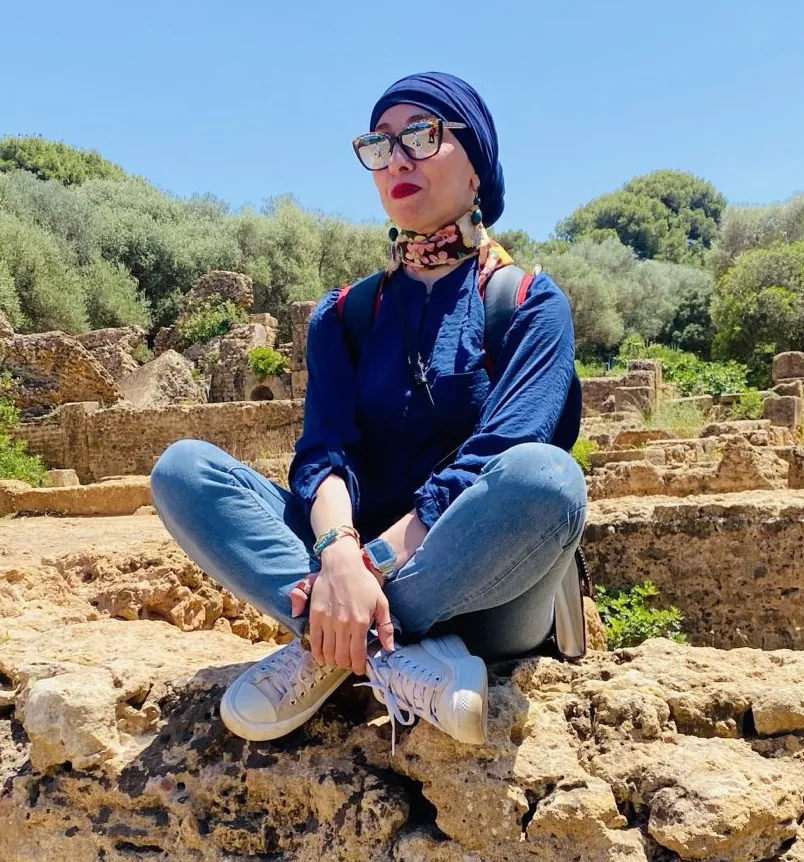
An architect by training with a passion for historical and cultural heritage, she has a special interest in its protection, enhancement and transmission to future generations.
Throughout her career she has developed a particular sensitivity towards traditional architecture, craft knowledge and the cultural expressions that reflect the identity of each territory. This interest has also led her to explore heritage from an artistic perspective, creating jewellery and handmade objects inspired by the cultural richness of Algeria, Africa and the Maghreb through her craft brand @Chida_creacion_dz.
In her creations she works with symbols, motifs and traditions drawn from tangible and intangible heritage, using craftsmanship as a means of transmission and awareness. Her work thus builds a bridge between contemporary creation, traditional knowledge and cultural identity.
At WHA Consultancy she contributes her experience in architecture and craft creation, as well as her knowledge of Algerian and Maghrebi cultural heritage, taking part in projects related to its conservation, dissemination and continuity.